
HOW TO APPLY TO BECOME A VOLUNTEER.
Use the CONTACT facility to message Operation Hernia Chairman.
Humanitarian
Most of our volunteers indicate that they really valued the humanitarian aspect of providing surgery to patients that would not otherwise receive a high standard of care – most of which would not receive any care at all. The health workforce is depleting in low-resource countries, with only 1-10 doctors per 100,000 people, and poor national budgets for medical training. Many patients have hernias present for over fifteen years old that extend to their knees, and operations can be lifesaving. Many are manual labourers that live in very impoverished conditions.
Medical
Surgeons may be challenged by operating on long-standing hernias that regularly grow to more than 20 cm, after becoming accustomed to routine repairs on hernias at home that rarely exceed 2-5 cm. Surgeons find the opportunity to perform low-technology operating room techniques that sometimes transfer to practice in their home countries in emergencies.
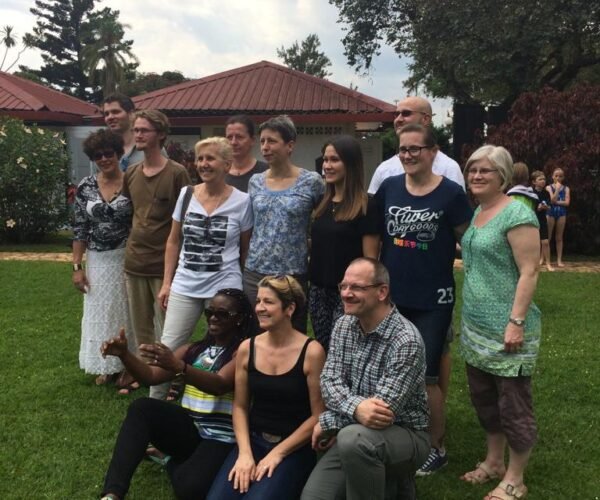
Volunteers
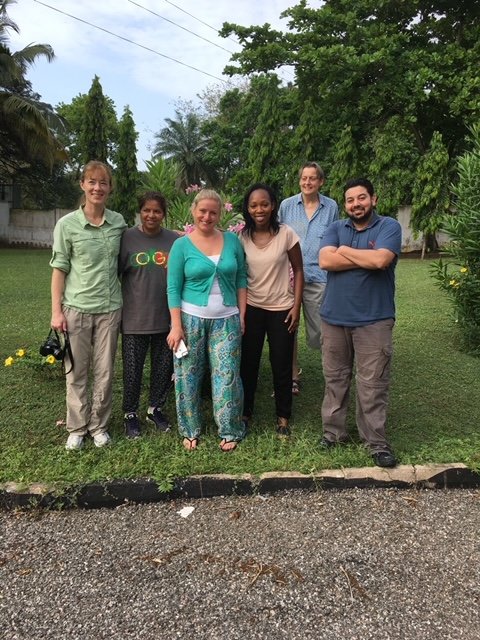
Could This Be You?
Political
The first surgical teams to arrive in Ghana through Operation Hernia were greeted at a formal reception by the British High Commissioner and intense media exposure. Reducing the global burden of surgical disease is cited as one of the key objectives of the Disease Control Priorities in Developing Countries Project of the World Health Organisation and the World Bank. Initial evidence suggests that hernia repair compares very favourably to other medical interventions in terms of cost-effectiveness and other political decision making criteria.
Career Development
The programme provides career development opportunities for trainees to learn new skills that have practical application to important scenarios in the operating room and workplace back home. The ability to operate in intense unfamiliar conditions, while respecting cultural boundaries and consulting with patients through a translator is both a difficult and rewarding experience. The value of training in these environments is well recognized. The American College of Surgeons created a Surgical Volunteerism award in 2003 for outstanding leaders in the emerging field and has documented a growing area of research on its Operation Giving Back websit
Personal
Previous teams of volunteers have commented on the friendly and hardworking staff they work with and true appreciation of the patients that they treat. One surgeon reported that never in his life have so many people prayed for him for so many days. Most teams consider the experience a tremendous privilege and return home with an inevitable sense of loss, wanting to return for an additional mission.
Study Abroad
Surgeons value the international experience and students value participation in a programme as part of their undergraduate education. Medical students, residents and physicians not only share the same enthusiasm for experiential learning in a new place, some actively look for ways of remaining a part of the programme long after their experience is over. The African environment is ideal for learning and not having too many distractions around makes for an excellent atmosphere to concentrate on the important work that needs to be undertaken. In addition the experience often allows students opportunities they may not otherwise have to develop their skills under the supervision of consultant surgeons – reviewing the procedures and asking questions after each operation. Initial surveys of resident interest conducted by the American College of Surgeons indicates that residents are highly motivated to acquire international experience and plan to volunteer in the future.
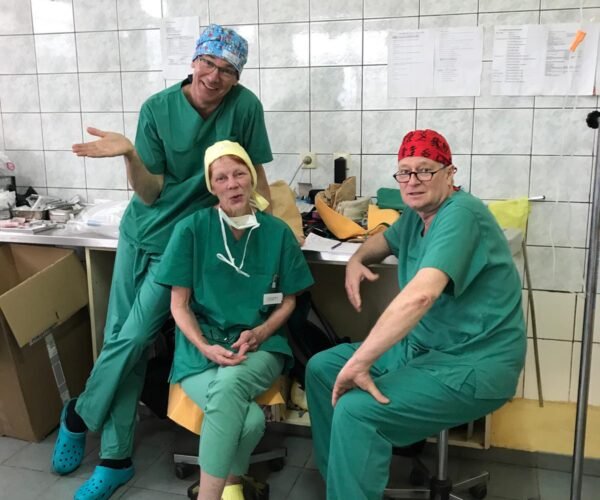
German Team Volunteers
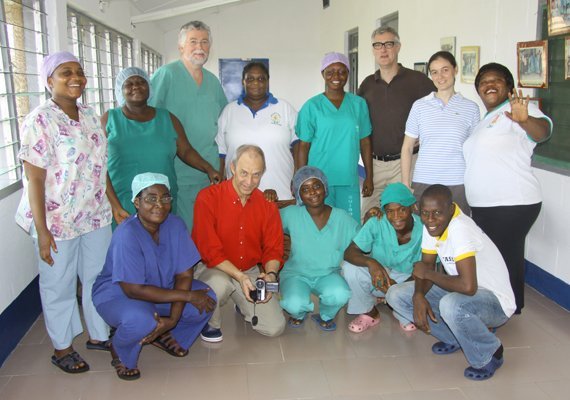
Belgian Team 2011
WHAT DOES VOLUNTEERING INVOLVE?
- Medical registration is required to practice in the host country and is coordinated by the team leader.
- Volunteers pay their own airfare to the country of destination.
- Arriving teams are met at the airport and escorted to their accommodation near the host hospital the following day.
- Teams usually stay in local low cost accommodation such as a local hotel. The total cost of the accommodation and internal travel is usually less than £200.
- Patients have already been selected by the time the operating teams arrive.
- Local anaesthetic allows patients to be treated as an outpatient basis, although some teams have opted for general or spinal anaesthesia.
- Teams may be required to bring their own anaesthetic, gloves, gowns, drapes, analgesics and antibiotics, and sutures. Meshes are provided by Operation Hernia.
- Green or blue scrubs are required for the operating room.
- A local mobile phone is recommended, and can be coordinated through hosts.
- Some teams bring small gifts to give to patients.
HOW TO APPLY TO BECOME A VOLUNTEER.
Use the CONTACT facility to message Operation Hernia Chairman.